
The therapeutic pipeline is built on two decades of foundational research into cyclotide peptides at the University of Queensland. Cyclotides are one of the most structurally unusual and therapeutically promising classes of molecules in the natural world.
Plant science
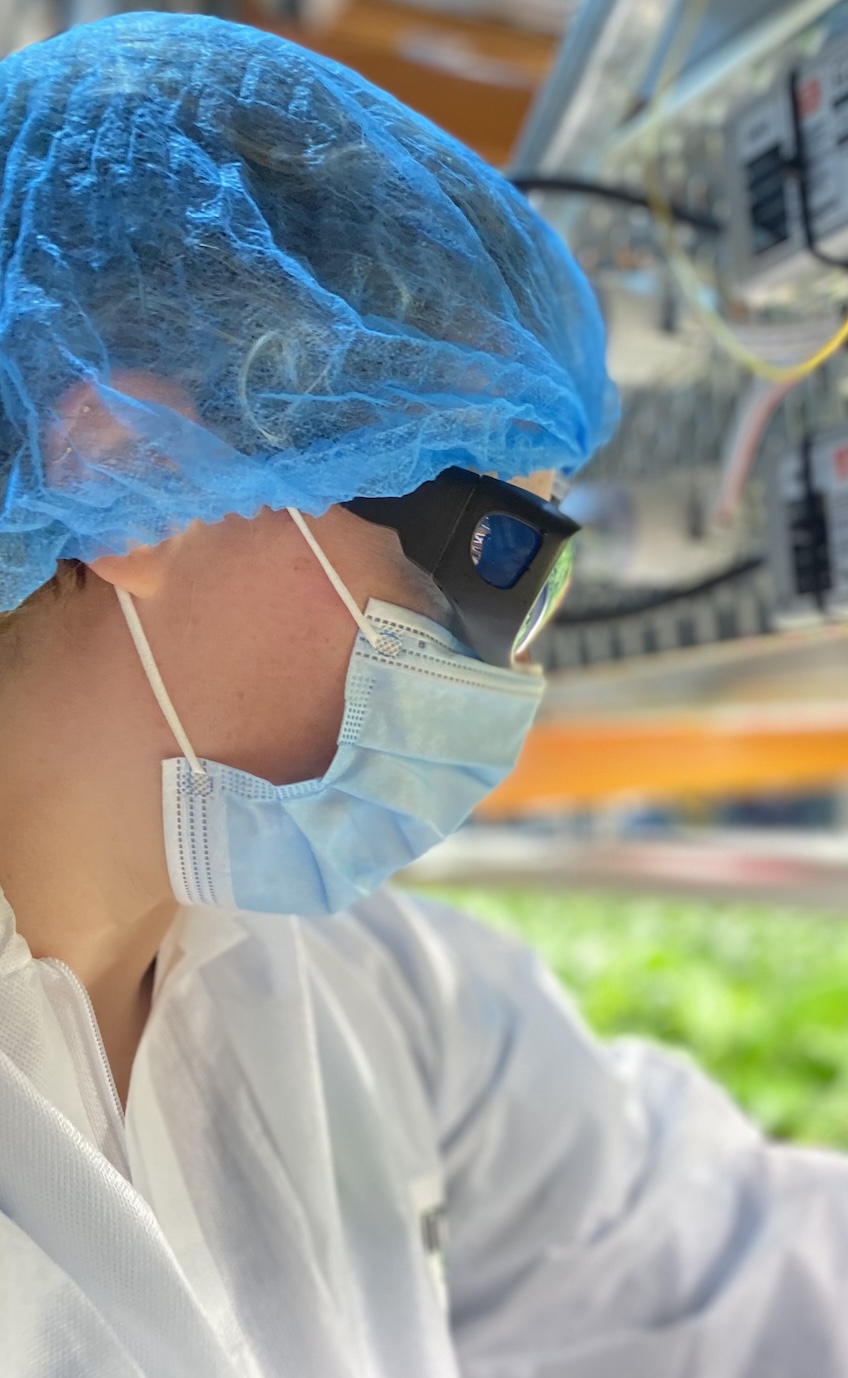
Phyllome employs a team of full-time agronomists who manage every aspect of crop development within our controlled-environment facilities. Their expertise spans plant physiology, nutrient management, light response, and growth-stage optimisation across the full range of species we cultivate.
Our technology platform captures thousands of data points on each crop cycle, from germination through harvest, covering environmental conditions, nutrient uptake, growth rates, morphology, and yield. This allows our agronomists to review and analyse crop performance digitally as well as physically, identifying patterns and making adjustments with a level of precision that open-field agriculture cannot approach.
The result is a compounding body of proprietary growing knowledge. Each cycle refines the next, and our ability to grow specific crops to precise nutritional, morphological, and yield targets improves continuously. This expertise is the operational foundation on which Phyllome's therapeutic plant manufacturing capability is built.
Cyclotide peptides
Cyclotides are a family of small, circular proteins found naturally in certain flowering plants. What makes them extraordinary is their structure: a head-to-tail cyclised backbone threaded through by three disulfide bonds in a knotted arrangement known as the cyclic cystine knot (CCK) motif. This topology gives cyclotides a stability profile unlike almost any other peptide in nature.
They are approximately 30 amino acids in size, characterised by their head-to-tail cyclic backbone and cystine knot motif, which renders them exceptionally stable, resistant to thermal and enzymatic degradation. In practical terms, this means cyclotides can survive the journey through the human digestive system intact. Kalata B1 and close relatives were found to be the only natural peptide scaffolds completely resistant to degradation in simulated gastric and intestinal digestion assays amongst a broad range of peptides tested.
This oral stability is the central property that makes cyclotides viable as a functional food ingredient rather than a pharmaceutical requiring injection.

Discovery
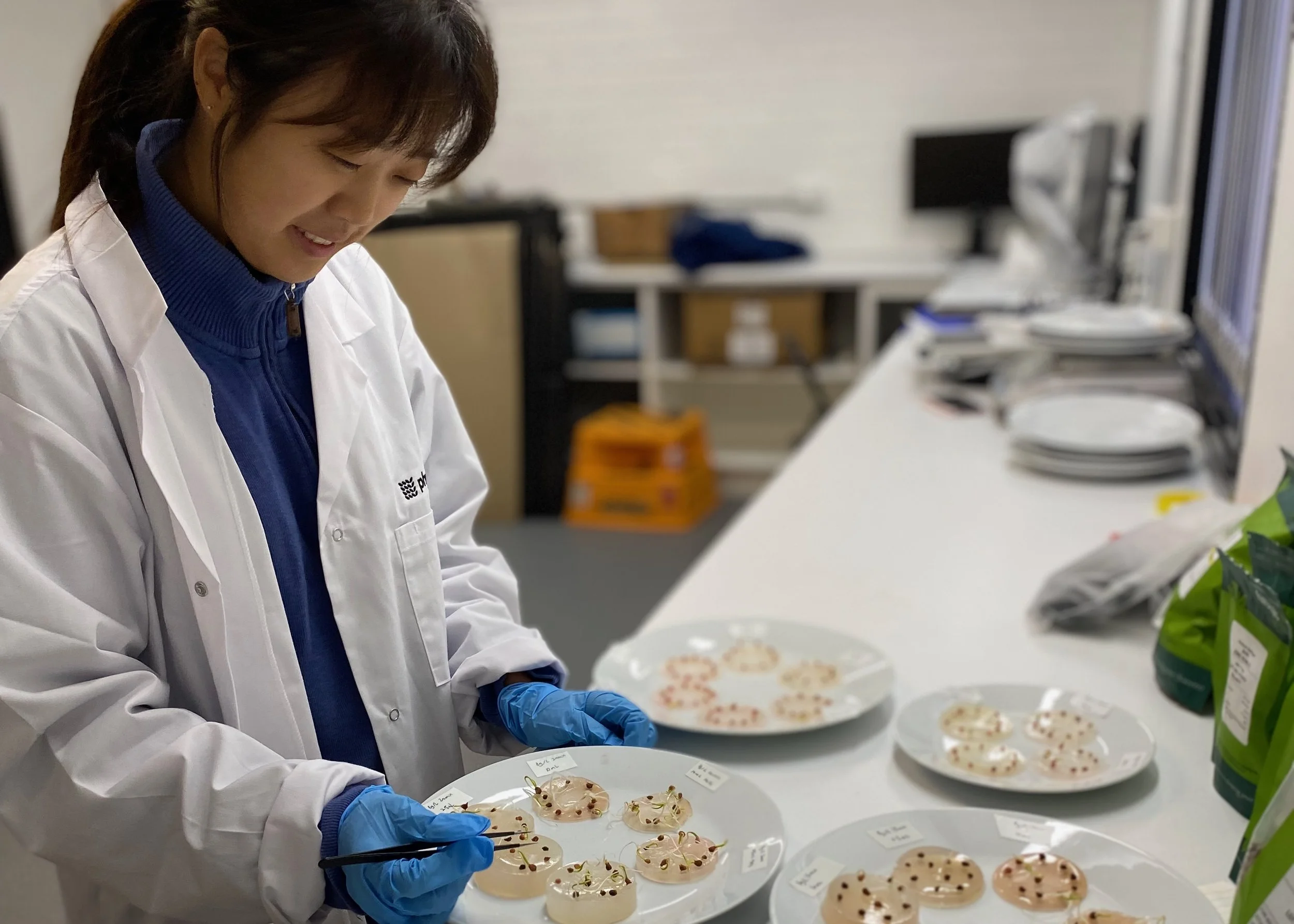
Cyclotides were first identified through their use in African traditional medicine where women in the Congo boiled the leaves of Oldenlandia affinis to prepare a tea used to accelerate childbirth. The active peptide was eventually isolated and named kalata B1. The term “cyclotide” was introduced in 1999 through the work of Craik and colleagues at the University of Queensland.
Professor David Craik's group at UQ's Institute for Molecular Bioscience has since led global cyclotide research for over two decades. Their work has established the structural framework, biosynthetic logic, chemical synthesis routes, and therapeutic applications for the entire cyclotide class.
Core technology
The core technology enabling the therapeutic pipeline is molecular grafting. The concept delineates the insertion of a foreign epitope derived from a bioactive peptide or protein into the cyclotide scaffold, thereby endowing cyclotides with new biological activities. In other words: the stable cyclotide ring acts as a delivery chassis. A therapeutic sequence, selected for its activity against a specific disease target, is engineered into one of the cyclotide's variable loops. The result is a compound that carries the therapeutic activity of the grafted sequence but with the structural stability and oral bioavailability of the cyclotide scaffold.
Integrating bioactive epitopes into stable cyclotide scaffolds can lead to improved pharmacokinetics and oral activity, as well as selectivity and high enzymatic stability.
Proof of concept
The field's most advanced clinical candidate, [T20K]kalata B1 (a single amino acid mutant of the natural cyclotide kalata B1), provides the clearest evidence that cyclotide-based oral therapeutics are achievable. Developed for multiple sclerosis, T20K was tested in an oral treatment experiment and improved clinical scores in a mouse model of MS in a dose-dependent manner, compared with control groups.
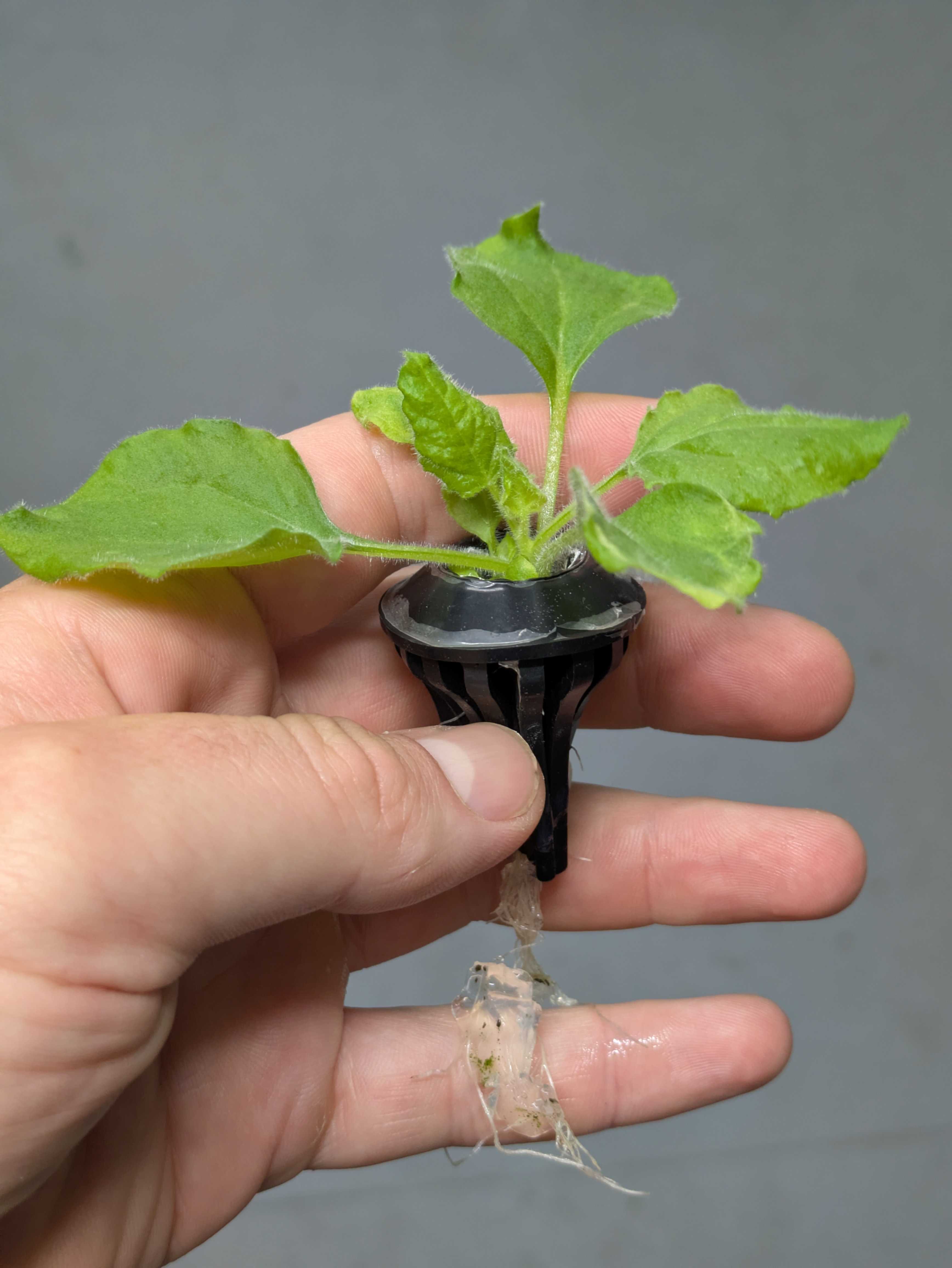
Critically, the UQ Craik group demonstrated the production of a structurally identical [T20K]kB1 in Nicotiana benthamiana plants, with yields approaching 1.0 mg/g dry mass in infiltrated leaves, demonstrating that sustainable, cost-effective plant-based production of cyclotide therapeutics is within reach. This plant molecular farming capability, producing cyclotide therapeutics directly in plant tissue, is the production model Phyllome's controlled-environment platform is designed to enable at commercial scale.
Research partnership
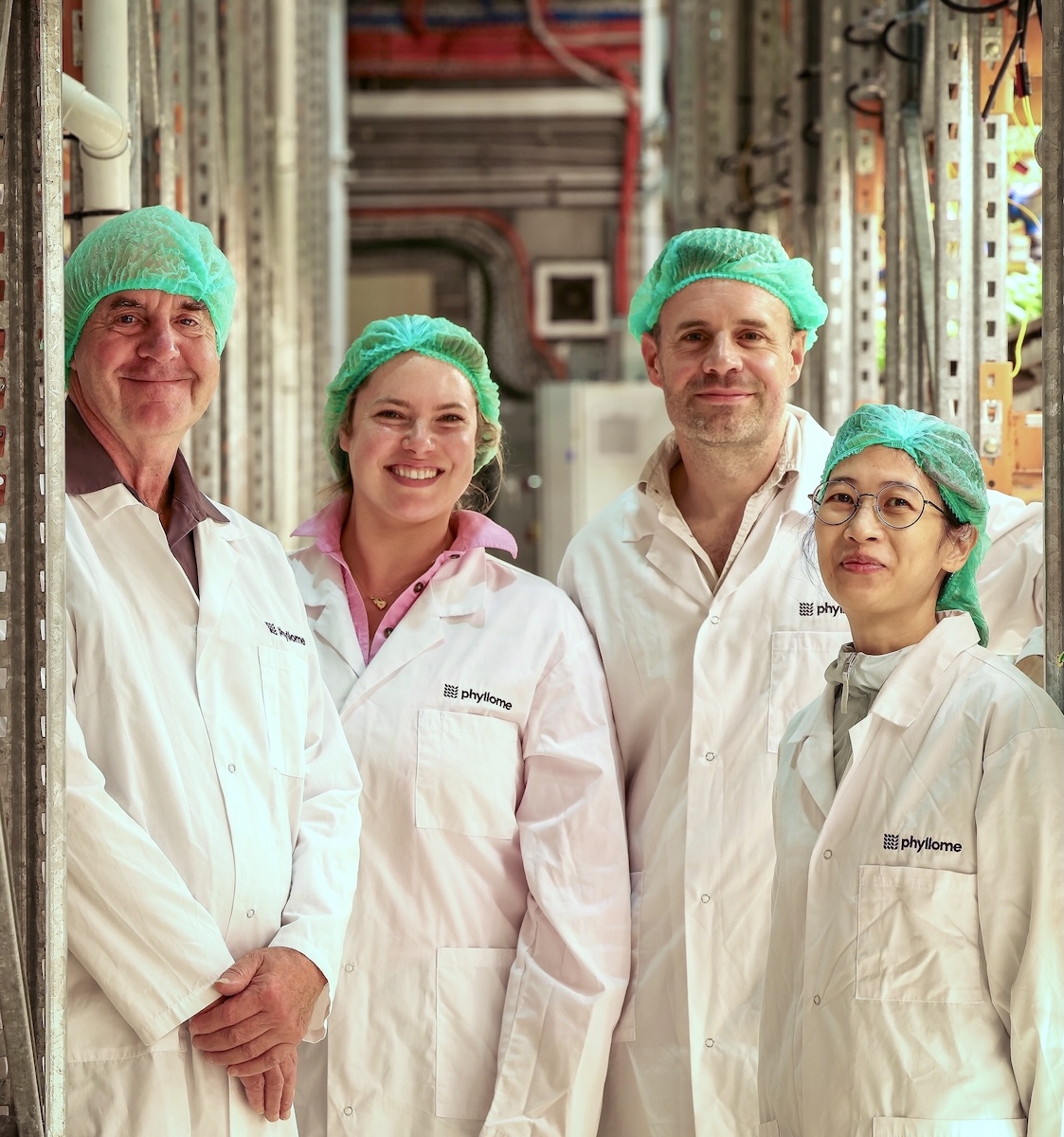
The therapeutic pipeline is developed in active collaboration with Professor David Craik's group at UQ's Institute for Molecular Bioscience, the world's leading cyclotide research team.
The programme is co-funded through an Australian Research Council (ARC) Linkage Grant, reflecting both the national significance of the research and independent peer-reviewed validation of the science. Industry partners Phyllome and Pharmacare work alongside UQ to translate the research from bench to product.
Publications
The following peer-reviewed publications form the scientific foundation of the research programme. All are from, or closely associated with, the Craik group at UQ's Institute for Molecular Bioscience.
Contact us today to explore how vertically integrating your fresh produce supplier can improve your bottom line.
Contact